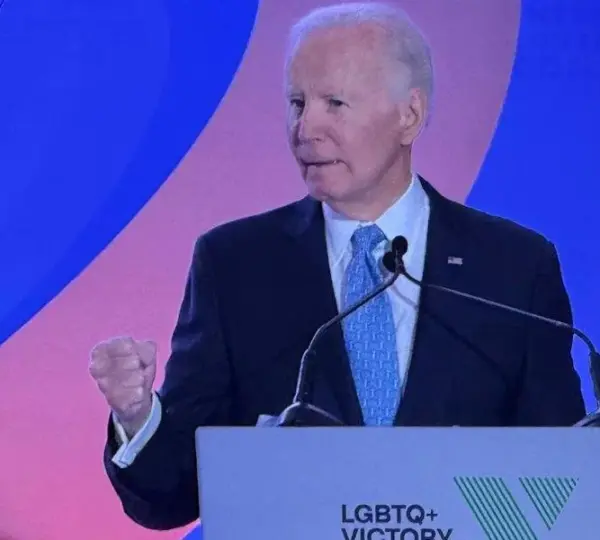
Former President Joe Biden made a rare and highly watched public appearance on Friday — one that drew both hopeful sighs and nervous glances.
When he addressed a large assembly of activists, legislators, and community leaders at the International LGBTQ+ Leaders Conference in Washington, D.C.
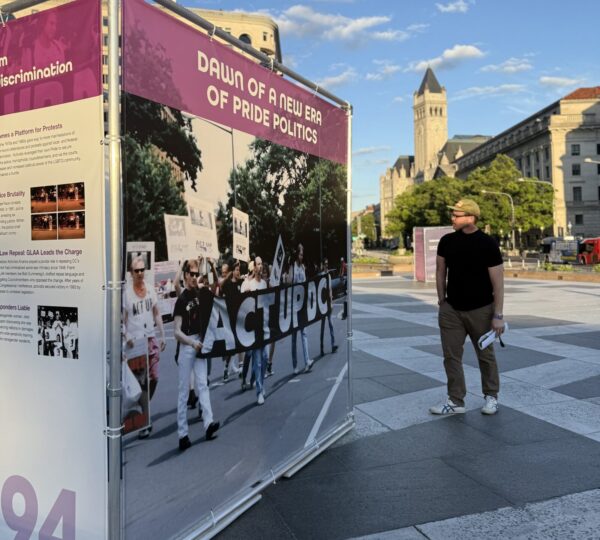
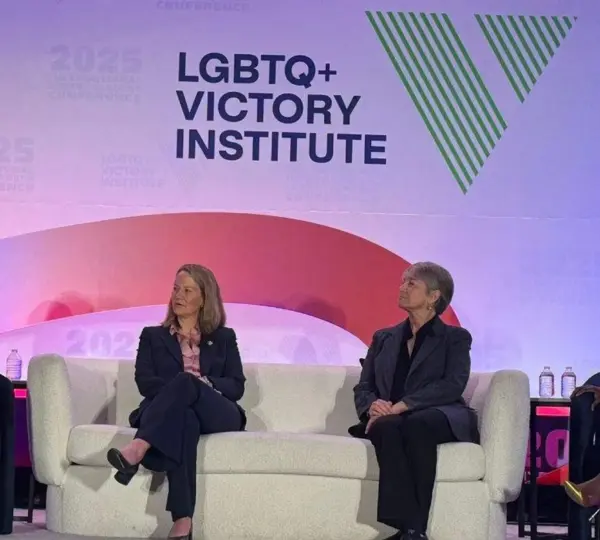
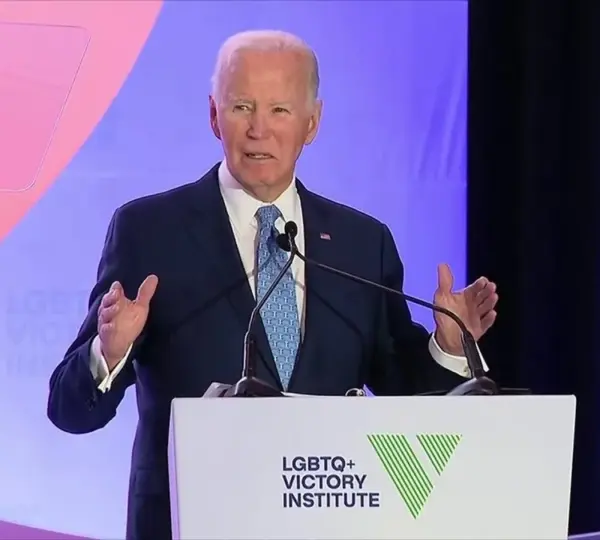
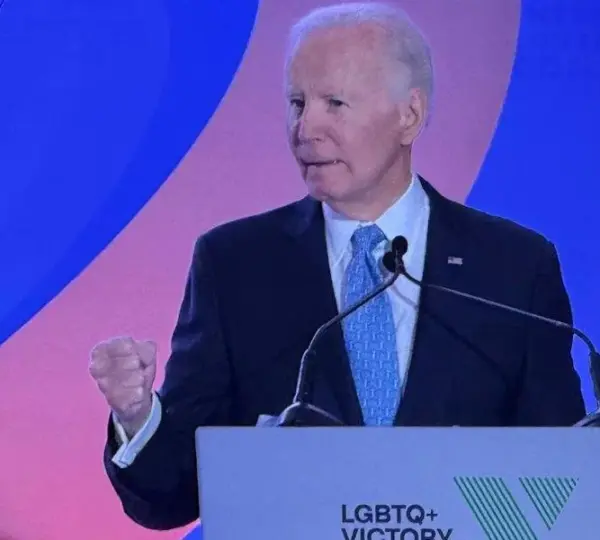
The conference, organized under the umbrella of the LGBTQ Victory Institute, was designed to bring together voices from across the nation to reflect on past gains for LGBTQ+ rights, renew commitments to equality, and chart strategies for the challenges ahead.
For many in the audience, Biden’s presence evoked a sense of possibility and solidarity.
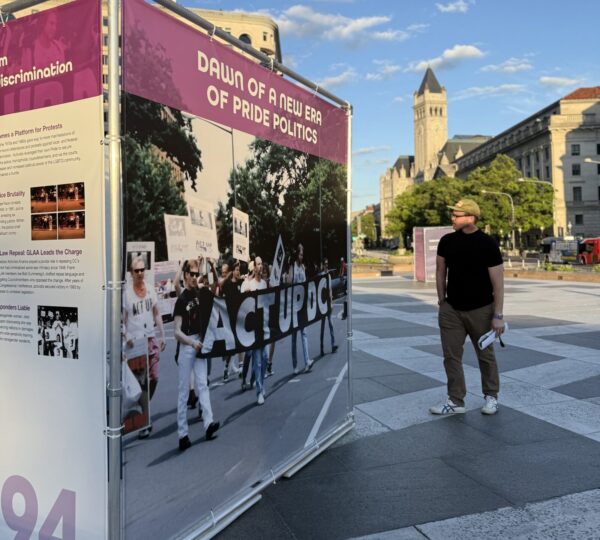
Even though he has stepped back from frequent public pronouncements since leaving office, his appearance signaled that he still intends to have a seat at the table in shaping America’s civil‑rights dialogue.
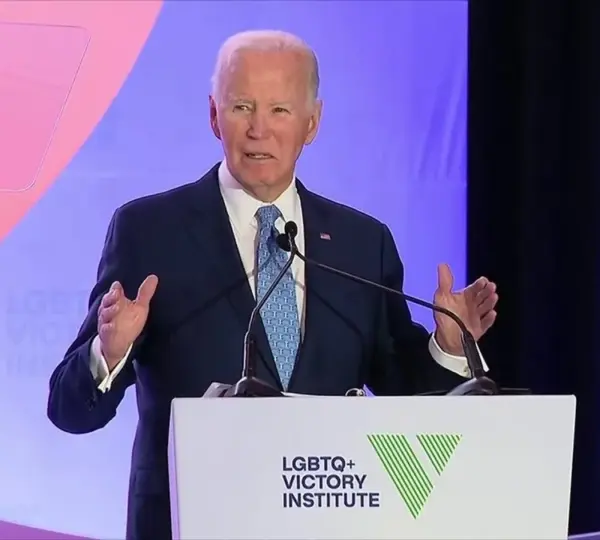
As Biden walked up to the podium, the atmosphere was hopeful — perhaps even reverent.
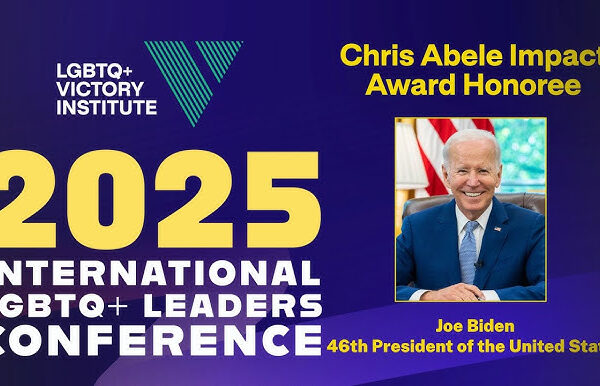
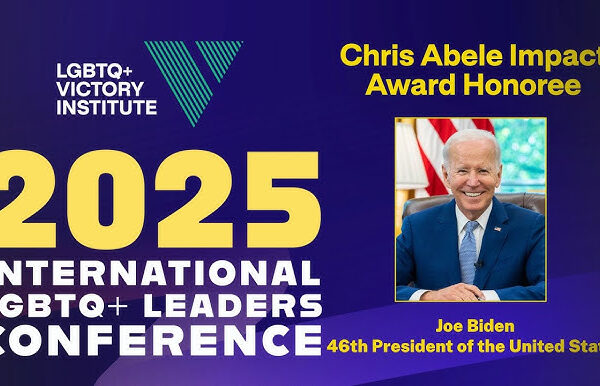
He was there to receive the Chris Abele Impact Award, a lifetime‑achievement style honor recognizing his administration’s efforts to expand LGBTQ+ representation in government and to codify protections for LGBTQ+ Americans.
Many attendees recalled laws, executive actions, and symbolic gestures under his tenure, and there was a sense that even in a new political era, the work for inclusion must continue.
Biden began with a tone of determination. “We just have to get up,” he declared, voice firm, earnest.
“As long as we keep the faith … and remember who the hell we are.” The audience responded with nods, soft applause, and hopeful murmurs.
For a moment, it felt like the turning point of a renewed movement — a call to arms not with weapons, but with values: justice, dignity, equality, inclusion.
He spoke of resilience, of the hard‑fought victories won over decades, of the dream of a nation where every person — regardless of orientation, identity, or background — is treated with dignity and respect.
He evoked images of past struggles, hard lessons learned, and progress earned through persistence and courage.
He asked those gathered — advocates, lawmakers, and community members — not to yield in the face of adversity. “This is not the time to shrink,” he said.
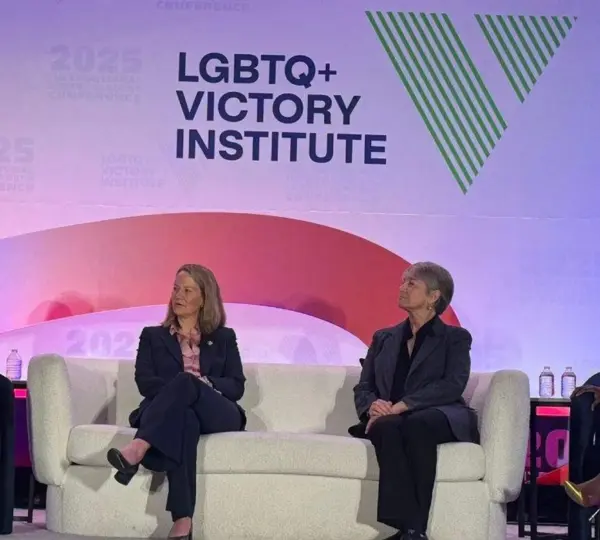
“This is the time to rise. Get up, stand tall, and fight for what’s right.”
He framed it not just as a political fight, but as a moral one — a defense of the Constitution, of human dignity, and of the founding ideals that, in his view, still define America.
Then came the moment that changed the tone. What was meant to be a soaring crescendo instead became a viral stumble.
In what should have been a patriotic declaration, Biden — appearing visibly passionate — stumbled over the nation’s name: “We’re the United States of Amerigotit, that’s who we are! We’re the U.S.!” The room stilled.
A hush spread through part of the audience. Within seconds, the line was clipped, shared, and replayed on social media. The mispronounced “Amerigotit” echoed across platforms and news outlets.
The reaction was immediate and mixed. Some in the crowd glanced at each other; a few offered uncertain smiles. Others shifted uncomfortably.
For a public‑figure used to commanding stages, the slip was jarring. Cameras flashed. Smartphones captured shocked or bemused expressions.
Within minutes, the clip was trending, memes circulating, commentary and criticism already mounting.
Yet Biden didn’t skip a beat. After a brief pause — a look of concentration crossing his face — he recovered.
He returned to his message: the necessity of protecting civil rights, the threat posed by what he called efforts to “distort and derail our fight for equality,” and the urgency of standing up — again — against suppression and division.
He singled out the administration of Donald Trump and its supporters, accusing them of politicizing identity and weaponizing fear — turning human dignity into “something scary, something sinister.”
He insisted that the battle was simple at its core: “It’s about basic decency, dignity, and respect for every American.”
He pressed on, calling for unity, action, and commitment. “All of us are dismayed by the present state of the union,” he said. “But this is no time to give up.
It’s time to get up. Get up and fight back.” Applause returned — haltingly at first, then more steadily. Some in the audience cheered, others nodded in quiet agreement.
Even beyond the ballroom, people watching online and through media coverage began debating not just the slip, but the substance of his call.
Still, the “Amerigotit” gaffe overshadowed much of the rest of the speech. Headlines erupted: “verbal gaffe,” “tone‑deaf moment,” “sign of decline,” “humiliating slip.”
Critics seized the moment, framing it as fresh evidence that Biden — at 83 — may no longer have the clarity or stamina required for public advocacy.
Conservative outlets were quick to suggest that the stumble was less a flub than a symptom of deeper cognitive decline.
A fierce debate erupted across social media and news commentary. Some shared the clip with biting mockery, others with concern.
“What happened to the leader of the free world?” wrote one commentator. Another joked, “Amerigotit: never heard it in school.”
Some Americans expressed real fear — that an aging public figure, once entrusted with national leadership, might no longer be suited to shaping public discourse.
But not all the reactions were negative. A significant number of voices rushed to defend Biden. They urged critics not to lose sight of the content — the message — amid the gaffe.
They noted that he has spoken publicly for decades, often under enormous pressure, and that public speaking is difficult even at best of times.
Some reminded observers that Biden has spoken in public for years despite a childhood stutter — this could simply be a mispronunciation, not a sign of irreversible decline.
Supporters emphasized the broader point: the cause matters more than polish. To them, Biden’s speech — even with its flaws — reaffirmed a vital message: that equality, rights, and dignity should remain at the center of American identity.
Many within the LGBTQ+ community, along with civil‑rights advocates, saw his appearance as a symbolic gesture — a reminder that the fight continues, that progress is fragile, and that vigilance is always required, especially when rights are being threatened.
Beyond the immediate reactions, the gaffe sparked a larger conversation about age, leadership, and public trust.
Can a former leader remain a credible voice after leaving office? Does a single moment — a slip of the tongue — undo decades of public service? Is it fair to judge mental acuity based on a brief mispronunciation?
Or does such a moment reflect real and concerning decline, especially when recorded and shared globally?
Some media and pundits argued that the moment — though glaring — should not disqualify him from civic influence.
They urged looking at his history: the legislation he supported, the appointments he made, the progress achieved.
Others warned that public visibility for aging former leaders carries inherent risks: missteps get magnified, memory lapses get politicized, and legacies shift overnight.
Within the LGBTQ+ community and among allies, there was also a strain of sorrow and disappointment.
Many had looked forward to hearing him speak on equality — to share vision and strategy for the coming years.
Instead, the moment turned into a distraction: mockery, memes, and arguments over cognitive fitness.
Some felt robbed of the opportunity to focus on policy and solidarity; others felt anger — that a slip could detract from the seriousness of the cause.
Still: for some, the brief stumble did not erase the applause. Because after the gaffe, Biden kept going.
In that small act of recovery — repeating calls for justice, reminding the audience of constitutional protections, urging compassion and unity — there was something resilient, even stirring.
A reminder that sometimes, words falter — but convictions endure.
In the days since, public discourse has remained divided. News outlets continue to replay the clip; social‑media feeds remain flooded with reactions.
Some are fearful, some are mocking, some are reflective. But many are committed to the message: that LGBTQ+ rights, civil liberties, and social inclusion are not bargains to be pawned — not even by public missteps.
For many Americans, this moment may become a microcosm of larger anxieties: about aging leadership, about memory and perception, about the difference between performance and substance.
For others, it may reinforce a different truth: that even flawed voices can speak truth; that history is not made only by perfect speeches, but by persistent action, even in the face of imperfection.
Because, at its core, this public appearance — gaffe and all — was a call. A call to rise. A call to persist. A call to fight for dignity, equality, and respect for every person. And for a portion of the audience, that call is still ringing loud.
Former President Joe Biden made a rare and highly watched public appearance on Friday — one that drew both hopeful sighs and nervous glances.
When he addressed a large assembly of activists, legislators, and community leaders at the International LGBTQ+ Leaders Conference in Washington, D.C.
The conference, organized under the umbrella of the LGBTQ Victory Institute, was designed to bring together voices from across the nation to reflect on past gains for LGBTQ+ rights, renew commitments to equality, and chart strategies for the challenges ahead.
For many in the audience, Biden’s presence evoked a sense of possibility and solidarity.
Even though he has stepped back from frequent public pronouncements since leaving office, his appearance signaled that he still intends to have a seat at the table in shaping America’s civil‑rights dialogue.
As Biden walked up to the podium, the atmosphere was hopeful — perhaps even reverent.
He was there to receive the Chris Abele Impact Award, a lifetime‑achievement style honor recognizing his administration’s efforts to expand LGBTQ+ representation in government and to codify protections for LGBTQ+ Americans.
Many attendees recalled laws, executive actions, and symbolic gestures under his tenure, and there was a sense that even in a new political era, the work for inclusion must continue.
Biden began with a tone of determination. “We just have to get up,” he declared, voice firm, earnest.
“As long as we keep the faith … and remember who the hell we are.” The audience responded with nods, soft applause, and hopeful murmurs.
For a moment, it felt like the turning point of a renewed movement — a call to arms not with weapons, but with values: justice, dignity, equality, inclusion.
He spoke of resilience, of the hard‑fought victories won over decades, of the dream of a nation where every person — regardless of orientation, identity, or background — is treated with dignity and respect.
He evoked images of past struggles, hard lessons learned, and progress earned through persistence and courage.
He asked those gathered — advocates, lawmakers, and community members — not to yield in the face of adversity. “This is not the time to shrink,” he said.
“This is the time to rise. Get up, stand tall, and fight for what’s right.”
He framed it not just as a political fight, but as a moral one — a defense of the Constitution, of human dignity, and of the founding ideals that, in his view, still define America.
Then came the moment that changed the tone. What was meant to be a soaring crescendo instead became a viral stumble.
In what should have been a patriotic declaration, Biden — appearing visibly passionate — stumbled over the nation’s name: “We’re the United States of Amerigotit, that’s who we are! We’re the U.S.!” The room stilled.
A hush spread through part of the audience. Within seconds, the line was clipped, shared, and replayed on social media. The mispronounced “Amerigotit” echoed across platforms and news outlets.
The reaction was immediate and mixed. Some in the crowd glanced at each other; a few offered uncertain smiles. Others shifted uncomfortably.
For a public‑figure used to commanding stages, the slip was jarring. Cameras flashed. Smartphones captured shocked or bemused expressions.
Within minutes, the clip was trending, memes circulating, commentary and criticism already mounting.
Yet Biden didn’t skip a beat. After a brief pause — a look of concentration crossing his face — he recovered.
He returned to his message: the necessity of protecting civil rights, the threat posed by what he called efforts to “distort and derail our fight for equality,” and the urgency of standing up — again — against suppression and division.
He singled out the administration of Donald Trump and its supporters, accusing them of politicizing identity and weaponizing fear — turning human dignity into “something scary, something sinister.”
He insisted that the battle was simple at its core: “It’s about basic decency, dignity, and respect for every American.”
He pressed on, calling for unity, action, and commitment. “All of us are dismayed by the present state of the union,” he said. “But this is no time to give up.
It’s time to get up. Get up and fight back.” Applause returned — haltingly at first, then more steadily. Some in the audience cheered, others nodded in quiet agreement.
Even beyond the ballroom, people watching online and through media coverage began debating not just the slip, but the substance of his call.
Still, the “Amerigotit” gaffe overshadowed much of the rest of the speech. Headlines erupted: “verbal gaffe,” “tone‑deaf moment,” “sign of decline,” “humiliating slip.”
Critics seized the moment, framing it as fresh evidence that Biden — at 83 — may no longer have the clarity or stamina required for public advocacy.
Conservative outlets were quick to suggest that the stumble was less a flub than a symptom of deeper cognitive decline.
A fierce debate erupted across social media and news commentary. Some shared the clip with biting mockery, others with concern.
“What happened to the leader of the free world?” wrote one commentator. Another joked, “Amerigotit: never heard it in school.”
Some Americans expressed real fear — that an aging public figure, once entrusted with national leadership, might no longer be suited to shaping public discourse.
But not all the reactions were negative. A significant number of voices rushed to defend Biden. They urged critics not to lose sight of the content — the message — amid the gaffe.
They noted that he has spoken publicly for decades, often under enormous pressure, and that public speaking is difficult even at best of times.
Some reminded observers that Biden has spoken in public for years despite a childhood stutter — this could simply be a mispronunciation, not a sign of irreversible decline.
Supporters emphasized the broader point: the cause matters more than polish. To them, Biden’s speech — even with its flaws — reaffirmed a vital message: that equality, rights, and dignity should remain at the center of American identity.
Many within the LGBTQ+ community, along with civil‑rights advocates, saw his appearance as a symbolic gesture — a reminder that the fight continues, that progress is fragile, and that vigilance is always required, especially when rights are being threatened.
Beyond the immediate reactions, the gaffe sparked a larger conversation about age, leadership, and public trust.
Can a former leader remain a credible voice after leaving office? Does a single moment — a slip of the tongue — undo decades of public service? Is it fair to judge mental acuity based on a brief mispronunciation?
Or does such a moment reflect real and concerning decline, especially when recorded and shared globally?
Some media and pundits argued that the moment — though glaring — should not disqualify him from civic influence.
They urged looking at his history: the legislation he supported, the appointments he made, the progress achieved.
Others warned that public visibility for aging former leaders carries inherent risks: missteps get magnified, memory lapses get politicized, and legacies shift overnight.
Within the LGBTQ+ community and among allies, there was also a strain of sorrow and disappointment.
Many had looked forward to hearing him speak on equality — to share vision and strategy for the coming years.
Instead, the moment turned into a distraction: mockery, memes, and arguments over cognitive fitness.
Some felt robbed of the opportunity to focus on policy and solidarity; others felt anger — that a slip could detract from the seriousness of the cause.
Still: for some, the brief stumble did not erase the applause. Because after the gaffe, Biden kept going.
In that small act of recovery — repeating calls for justice, reminding the audience of constitutional protections, urging compassion and unity — there was something resilient, even stirring.
A reminder that sometimes, words falter — but convictions endure.
In the days since, public discourse has remained divided. News outlets continue to replay the clip; social‑media feeds remain flooded with reactions.
Some are fearful, some are mocking, some are reflective. But many are committed to the message: that LGBTQ+ rights, civil liberties, and social inclusion are not bargains to be pawned — not even by public missteps.
For many Americans, this moment may become a microcosm of larger anxieties: about aging leadership, about memory and perception, about the difference between performance and substance.
For others, it may reinforce a different truth: that even flawed voices can speak truth; that history is not made only by perfect speeches, but by persistent action, even in the face of imperfection.
Because, at its core, this public appearance — gaffe and all — was a call. A call to rise. A call to persist. A call to fight for dignity, equality, and respect for every person. And for a portion of the audience, that call is still ringing loud.